
Property Dispute Solicitors London: A Sophisticated Guide to Resolution in 2026

Property Dispute Solicitors London: A Sophisticated Guide to Resolution in 2026

A property dispute is rarely just a matter of law; it is a significant disruption to your personal peace and your financial security. You might feel that a lengthy court battle is inevitable, yet the most effective property dispute solicitors know that true success is measured by the disputes settled quietly and efficiently behind the scenes. It’s natural to worry about the impact of the Renters’ Rights Act 2026 or the rising costs of litigation on your portfolio’s bottom line.

We understand that you seek a resolution that prioritises your assets whilst minimising the emotional toll of conflict. This guide explores how to navigate complex litigation using expert strategies designed to secure a pragmatic settlement without unnecessary time in the witness box. You’ll gain a clear understanding of your legal standing amidst the 2026 guideline hourly rate updates and learn how to maintain your momentum whilst we handle the technical complexities of your case.

Key Takeaways

  • Identify common triggers for property litigation early to prevent minor disagreements from becoming costly legal battles.
  • See how property dispute solicitors london leverage Alternative Dispute Resolution (ADR) to secure pragmatic, discreet settlements outside of a courtroom.
  • Understand the specific legal frameworks, such as the Landlord and Tenant Act 1954, that govern your rights in commercial and residential disputes.
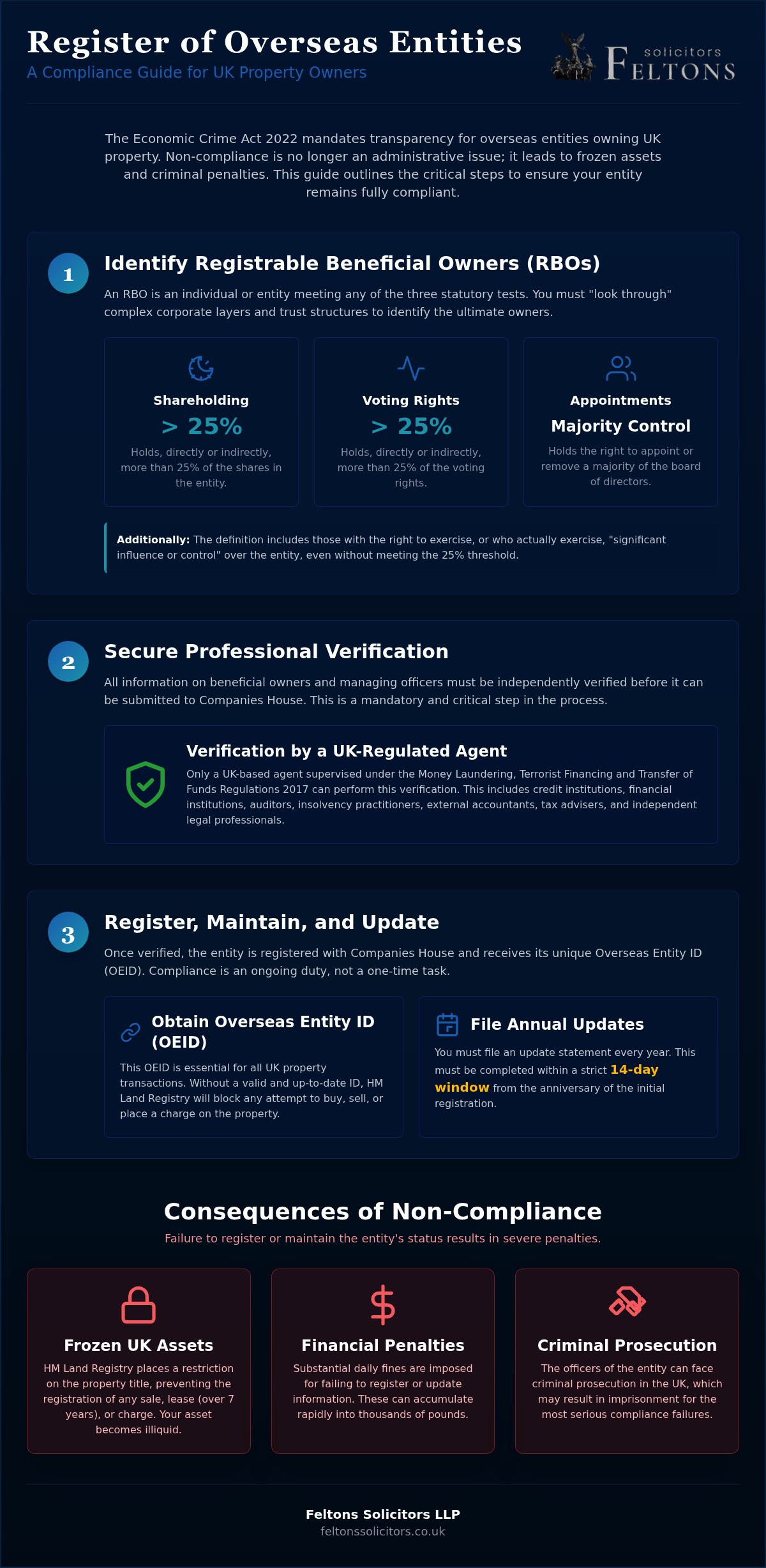
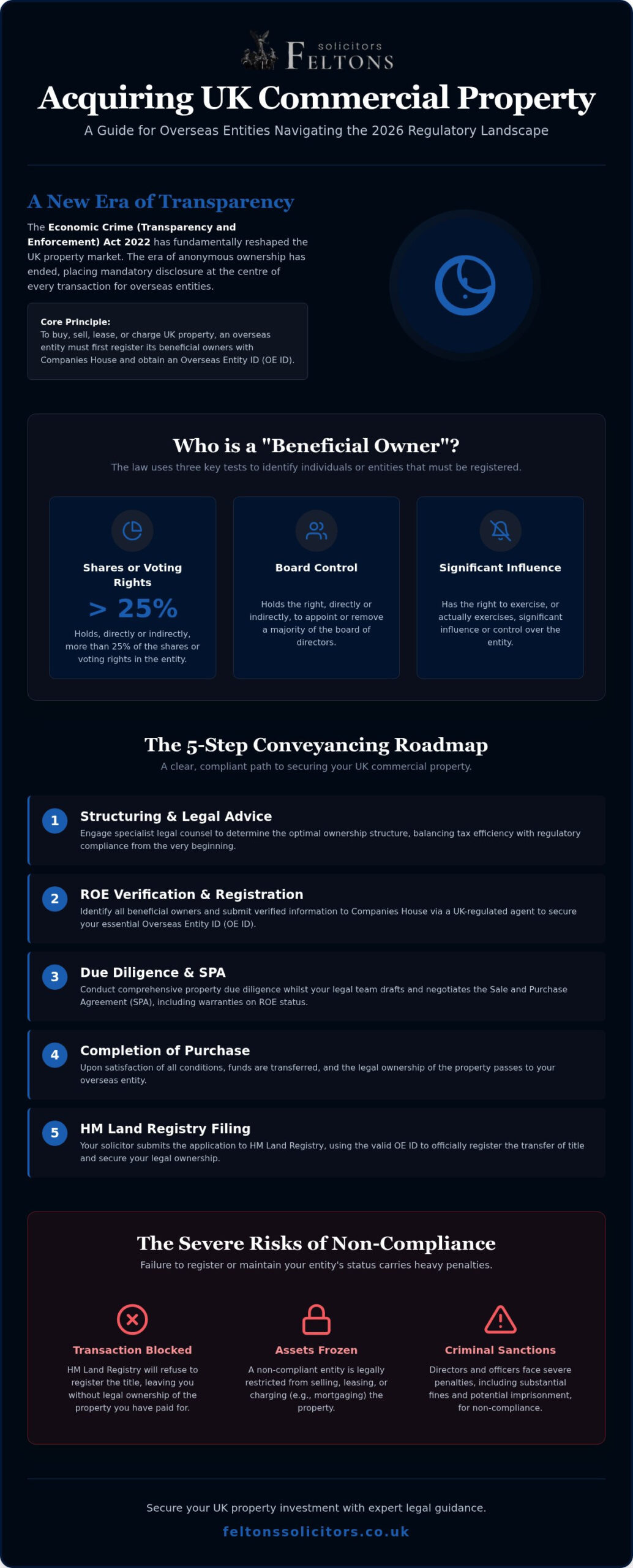
  • Learn how to manage the complexities of international property ownership, including the latest regulations for registering overseas entities.
  • Discover a “people-first” boutique approach to litigation that protects your portfolio whilst minimising disruption to your personal life.

Understanding Property Disputes and the Path to Resolution

Property litigation is the legal framework used to resolve disagreements over real estate interests. It isn’t just about aggressive courtroom battles. Instead, it’s a structured process designed to clarify rights and protect the value of your assets. Whether the conflict involves a residential boundary or a multi-million pound commercial development, the goal is always a resolution that makes sense for your specific circumstances. Engaging property dispute solicitors london at the earliest opportunity is often the difference between a swift settlement and a protracted, expensive conflict.

Early legal intervention is essential to prevent costs from escalating amongst the parties involved. When a dispute is identified in its infancy, there are more opportunities for creative problem solving. A specialist solicitor serves as a strategic advisor, not just a litigator. They help you evaluate various dispute resolution methods, such as mediation or expert determination, to find a path that avoids the stress of court. This proactive approach ensures that your legal standing is clear from the outset, allowing you to make informed decisions that protect your long-term interests.

The Most Common Types of Property Disagreements

Disputes can arise from a variety of triggers, each requiring a specific legal approach. In residential settings, nuisance claims, disagreements over boundary lines, and right-of-way issues are frequent sources of friction. These matters are often deeply personal and require a sensitive but firm hand. Landlord and tenant conflicts have become notably more complex following the Renters’ Rights Act 2026, particularly regarding service charge disputes and possession proceedings. For those in the construction sector, development disputes involving rights of light or restrictive covenants can pose a significant risk to project timelines and capital investment.

Who Needs a Specialist Property Dispute Solicitor?

Specialist advice is vital for anyone whose property rights are being challenged. Homeowners often need support to protect their primary residence from neighbourly interference or title defects. Commercial landlords managing high-value portfolios across the UK require a partner who understands the nuances of the Landlord and Tenant Act 1954 and can handle high-stakes lease renewals. Similarly, property developers facing contractual delays or complex ownership challenges need a discreet partner who values privacy and personal rapport. A boutique legal presence provides the tailored care necessary to navigate these technical legal waters whilst keeping the human impact of the dispute at the forefront of the strategy.

Navigating property law in the UK requires a clear distinction between the statutes governing commercial interests and those protecting residential rights. For commercial parties, the Landlord and Tenant Act 1954 remains the cornerstone of lease renewals. It provides tenants with security of tenure, yet the process is laden with strict notice periods and procedural hurdles that can jeopardise a business’s operational base if handled incorrectly. In these high-stakes environments, property dispute solicitors london focus heavily on precise contract interpretation. A single misplaced word in a lease can alter the outcome of a multi-million pound litigation, making meticulous drafting a priority.

Residential disputes often pivot on different legislation, such as the Party Wall etc. Act 1996. This Act is vital for homeowners undertaking extensions or renovations, as it manages the delicate balance between a property owner’s right to build and a neighbour’s right to structural integrity. When leasehold disagreements arise, the First-tier Tribunal (Property Chamber) serves as the primary venue for resolution. This specialist forum handles everything from service charge challenges to management disputes, offering a more accessible route than the High Court whilst still demanding rigorous legal preparation and expert evidence.

Commercial Property Litigation Strategies

Commercial disputes frequently centre on the financial obligations at the end of a tenancy. Dilapidations claims can reach significant sums, making it vital to have a clear assessment of repair obligations before a lease expires. Similarly, the exercise of break clauses requires meticulous attention; even a minor breach of the “quiet enjoyment” covenant or a failure to provide vacant possession can void the break entirely. When rent reviews reach an impasse, we often turn to expert determination to find a pragmatic, binding solution that avoids the publicity and cost of a full trial.

Residential Leasehold and Enfranchisement Challenges

Leaseholders often face unique hurdles when seeking to extend their lease or purchase their freehold. Working with leasehold enfranchisement experts is crucial when navigating the valuation and notice requirements of the 1993 Act. Beyond enfranchisement, disputes often emerge regarding the reasonableness of service charges or the quality of estate management. Whether you are pursuing a Right to Manage (RTM) application or contesting a freehold purchase, a methodical approach ensures your rights are upheld without unnecessary friction. If you find yourself facing such complexities, seeking a professional consultation can provide the clarity needed to proceed with confidence.

Mediation vs. Court: Choosing the Right Strategy for Your Dispute

When conflict arises over a valuable asset, the instinctive reaction is often to prepare for a courtroom battle. However, court proceedings are inherently adversarial and public. For many clients, the primary objective isn’t just a legal victory but a resolution that maintains their privacy and financial stability. This is where property dispute solicitors london provide the most significant value by guiding parties toward Alternative Dispute Resolution (ADR). ADR represents a discreet, high-end choice for those who value efficiency and confidentiality over the public theatre of a trial.

Our commitment is to provide pragmatic advice that protects your reputation. We prioritise settlements that secure your assets whilst avoiding the spiralling legal costs and unpredictable timelines of the court system. Mediation offers a collaborative atmosphere where solutions can be tailored to the specific needs of the parties. This is often more effective than a judge’s ruling, as it allows for creative outcomes that a court simply doesn’t have the jurisdiction to order. It’s a methodical way to regain control over a stressful situation with the support of a steady, professional guide.

The Advantages of Mediation in Property Law

  • Confidentiality: Disputes involving sensitive property values or private investment structures remain entirely out of the public record, protecting your brand and personal standing.
  • Control: You retain the power to negotiate an outcome that works for your business or personal life rather than leaving your fate to a judicial decision.
  • Relationship preservation: Mediation is essential for neighbours sharing a boundary or long-term commercial partners who need to maintain a working relationship after the dispute is settled.

When is Court Litigation Unavoidable?

There are instances where the collaborative path of mediation is no longer viable. Court litigation becomes necessary when there’s a fundamental disagreement on a point of law that requires a formal judicial ruling. It’s also the essential route for seeking urgent injunctions to prevent immediate property damage or to address illegal occupation. If an opposing party refuses to honour a previously agreed settlement, the enforcement powers of the court are the only remaining tool to secure your rights. In these scenarios, we move from strategic advisors to robust litigators, defending your position with quiet confidence and technical precision.

Managing Complex Property Disputes: Overseas Entities and Enfranchisement

London’s real estate market is a global hub, attracting significant investment from across the world. This international dimension adds layers of complexity to litigation that standard domestic cases rarely encounter. When disputes arise involving offshore structures, property dispute solicitors london must look beyond the physical asset to the corporate framework behind it. A central pillar of this modern landscape is the overseas entity beneficial owner registration. Without valid registration, an international entity may lack the legal standing to pursue or defend certain property claims, potentially freezing high-value transactions or litigation mid-stream.

Resolving title disputes involving offshore structures requires a methodical tracing of ownership and a deep understanding of how UK courts interact with foreign jurisdictions. It isn’t just about who holds the deed; it’s about verifying that the entity has complied with all transparency requirements. If you are managing an international portfolio and require discreet, expert advice on these technical hurdles, our team at Feltons Solicitors LLP provides the boutique care and worldly experience necessary to protect your interests.

Disputes Involving Overseas Property Owners

Serving proceedings on international defendants is a technical minefield. It often requires specific court permissions and adherence to international treaties to ensure the claim is validly served. Verifying beneficial ownership is no longer optional in the context of a title challenge. Under the Economic Crime (Transparency and Enforcement) Act 2022, failure to disclose the true owners can lead to severe restrictions on the property’s title. We ensure your compliance is watertight, preventing these regulatory requirements from being weaponised against you during a dispute.

Tactical Approaches to Leasehold Extensions

Leasehold disputes frequently centre on the “premium” or the valuation of the extension. These negotiations require a blend of legal precision and valuation expertise to ensure the price paid is fair and justifiable. When acting for groups in collective enfranchisement, the challenge often intensifies if a freeholder is absent or hostile. We ensure that all residential property law firm standards are strictly met, protecting the group’s collective investment from procedural errors that could derail the purchase.

A 5-Step Framework for Lease Extension Disputes

  • Step 1: Statutory Notice: Serve a formal Section 42 notice to trigger the legal process and freeze the “marriage value”.
  • Step 2: Valuation Negotiation: Engage in a structured dialogue regarding the premium, supported by expert surveyor evidence.
  • Step 3: Counter-Notice Review: Analyse the landlord’s response to identify areas of agreement and points of contention.
  • Step 4: Tribunal Application: If negotiations stall after two months, apply to the First-tier Tribunal to protect your position.
  • Step 5: Finalisation: Secure the new lease terms and ensure correct registration at HM Land Registry to protect your asset’s value.

How Feltons Solicitors LLP Resolves Property Disputes

Feltons Solicitors LLP, established in 2010 by Paula Felton, offers a refined alternative to the high-volume approach of larger city practices. As property dispute solicitors london, we provide a calm, steady presence during what is often a highly stressful period for our clients. We understand that whether you’re dealing with a residential boundary or a complex international title challenge, you need more than just technical legal expertise; you need a partner who values your privacy and personal rapport. Our boutique structure ensures that your matter is never treated as a mere file number.

Our approach to resolution is rooted in transparency and methodical preparation. We believe that clarity regarding your legal standing and potential costs should be established from the very first meeting. Our fee structure for initial consultations is designed to be straightforward, ensuring you aren’t met with unexpected financial surprises whilst you seek a pragmatic settlement. This steady, professional rhythm allows us to build a strategy that aligns with your specific financial and personal objectives from the outset.

Our People-First Philosophy in Litigation

Disputes over real estate are never just about bricks and mortar. We prioritise the human impact of every case, recognising that your home or business premises represent years of investment and emotional attachment. Clients at Feltons enjoy direct access to senior partners, providing a level of discreet, bespoke advice that larger firms often struggle to replicate. This philosophy ensures that whilst we handle the technical legal work with precision, the preservation of your long-term asset protection and estate integrity remains our primary focus. We act as your sophisticated guide, maintaining a poised and dependable presence even in the face of aggressive opposition.

Taking the Next Step with Feltons

The journey toward a successful resolution begins with a clear view of the facts. We encourage you to gather all relevant documentation, from lease agreements to historical correspondence, for a methodical review by our experts. This preparation allows us to provide the sound judgment and individualised attention your case deserves. If you’re ready to move toward a discreet settlement and protect your assets, we invite you to arrange a professional consultation to discuss your unique circumstances. Our team is here to ensure that your property interests are defended with quiet confidence and professional integrity.

Contact Feltons Solicitors LLP for expert property dispute resolution.

Securing Your Property Interests for the Future

Resolving a property conflict requires a blend of technical legal precision and strategic pragmatism. As we have explored, the most successful outcomes in 2026 are those that prioritise early intervention and Alternative Dispute Resolution to avoid the public nature of the courtroom. Whether you are managing a local residential issue or a high-stakes international portfolio involving offshore structures, the right legal partner provides the steady hand needed to reach a discreet, effective settlement.

Since 2010, Feltons Solicitors LLP has provided this boutique level of care, combining specialist expertise in complex leasehold enfranchisement with dedicated support for high-net-worth and international clients. Our approach prioritises your peace of mind and the long-term integrity of your estate. If you are seeking property dispute solicitors london who value personal rapport as much as legal success, we are ready to guide you through the process with quiet confidence and professional authority.

Take the first step toward a calm resolution today. Discuss your property dispute with a specialist at Feltons Solicitors LLP. Your property rights deserve the highest standard of protection and a partner who understands the human impact of the law.

Frequently Asked Questions

What is the first step I should take in a property dispute?

The first step is to gather all relevant documentation, such as title deeds, leases, and correspondence, and seek professional advice before engaging in further direct communication with the opposing party. This prevents you from inadvertently making admissions that could prejudice your case. Early intervention by property dispute solicitors london ensures that your strategy is sound from the outset, protecting your assets whilst avoiding unnecessary escalation.

How much do property dispute solicitors typically cost?

Legal costs in property litigation depend on the complexity of the matter and the experience level of the solicitor handling your case. Whilst the Civil Justice Council updated guideline hourly rates in January 2026, private market rates in London often reflect the specialist nature of high-stakes work. We maintain a transparent approach to fees, providing clear estimates after an initial review of your circumstances to ensure you can manage your budget effectively.

Can I resolve a property dispute without going to court?

Most property disputes are resolved through Alternative Dispute Resolution (ADR) without the need for a court hearing. Methods such as mediation or expert determination offer a more discreet and cost-effective route than traditional litigation. These collaborative processes allow parties to reach a pragmatic settlement that preserves professional relationships and protects the privacy of high-net-worth individuals or sensitive commercial interests.

How long does it take to settle a disagreement over a property boundary?

The timeline for settling a boundary dispute varies significantly based on the resolution method chosen. A mediated settlement can often be reached in a matter of weeks, whereas a case that proceeds to the First-tier Tribunal or County Court may take twelve months or longer. Proactive legal advice helps to identify the most efficient path, minimising disruption to your personal life or business operations.

What happens if a landlord refuses to carry out essential repairs?

If a landlord fails to perform essential repairs, they may be in breach of the tenancy agreement or statutory obligations under the Landlord and Tenant Act 1985. You may be entitled to seek a court order for specific performance or claim damages for the loss of enjoyment of the property. It’s vital to follow the correct legal protocol before withholding rent, as doing so without a court order can lead to possession proceedings against you.

Do I need a solicitor for a commercial lease renewal dispute?

Engaging a solicitor is essential for commercial lease renewals to navigate the strict procedural requirements of the Landlord and Tenant Act 1954. Missing a statutory deadline for serving a notice or failing to respond to a counter-notice can result in the loss of your right to a new lease. Specialist property dispute solicitors london ensure that your security of tenure is protected and that lease terms remain commercially viable.

What are the risks of ignoring a property-related legal notice?

Ignoring a legal notice, such as a Section 8 notice or a Party Wall notice, carries significant risks including the loss of your legal rights and the possibility of a default judgment. Failure to respond within the statutory timeframe can lead to immediate court action or the forfeiture of a lease. Promptly reviewing any formal correspondence with a legal advisor allows you to mount a robust defence and mitigate potential financial losses.

Can Feltons Solicitors LLP help with disputes involving overseas property ownership?

Feltons Solicitors LLP specialises in the technical complexities associated with international property ownership and offshore structures. We assist clients with the registration of overseas entities and navigate the challenges of serving proceedings across jurisdictions. Our boutique approach provides the discreet, high-level support required by international investors to resolve title disputes and protect their UK real estate portfolios.

Probate Administration Services London: A Comprehensive Guide to Estate Management in 2026

Probate Administration Services London: A Comprehensive Guide to Estate Management in 2026

What if the most significant act of stewardship you ever perform for a loved one is the one that takes place after they have passed? Managing a legacy is a profound responsibility, yet the emotional weight of bereavement often makes the technical demands of estate management feel insurmountable. You likely feel the pressure to get everything right, from settling debts to ensuring the correct distribution of assets, all whilst fearing a costly mistake with HMRC or becoming lost in complex legal jargon. It’s a difficult balance to strike when you are simply trying to find the space to grieve.

When you require professional probate administration services london offers various options, but finding a partner who combines technical precision with genuine empathy is essential. We understand that you want legal peace of mind and the assurance that Inheritance Tax liabilities are kept to a minimum. This guide provides a clear roadmap for estate administration in 2026. We will outline the steps to securing a Grant of Probate, explain how to handle complex property matters, and show you how a methodical, people-first approach can protect your family’s future.

Key Takeaways

  • Understand the vital legal distinction between probate with a Will and Letters of Administration when no Will exists.
  • Gain clarity on the essential stages of estate management, from initial asset valuation to the final distribution to beneficiaries.
  • Evaluate the benefits of professional probate administration services london against the potential risks and 9–12 month time commitment of a DIY approach.
  • Identify strategies to manage complex Inheritance Tax liabilities and property transfers whilst ensuring full compliance with HMRC.
  • Discover how a boutique, solicitor-led service provides the personalised support needed to handle intricate or international estate matters.

Understanding Probate Administration Services in London and Across the UK

Probate is often described as the key that unlocks a deceased person’s estate. Technically, it is the formal legal recognition of a person’s authority to manage, sell, or distribute the assets of someone who has passed away. Without this court-authorised document, banks, land registries, and financial institutions cannot release funds or transfer property ownership. It is the final act of stewardship, ensuring that a loved one’s legacy is handled with the respect and precision it deserves.

The path to obtaining this authority depends entirely on whether a Will exists. If the deceased left a valid Will, the court issues a Grant of Probate to the individuals named as Executors. If no Will was left, the estate is governed by the rules of intestacy. In these cases, the court issues Letters of Administration to a suitable person, usually a close relative, who then becomes the Administrator. Both roles carry identical legal weight and responsibilities. Professional probate administration services london families rely on ensure that these distinctions are managed correctly from the outset, preventing costly delays or disputes amongst beneficiaries.

Choosing a professional partner provides a layer of security that is difficult to achieve alone. It transforms a daunting administrative burden into a structured, manageable process. This methodical approach is particularly vital when dealing with the high-value property and diverse asset portfolios often found in the capital.

When is Probate Required?

Not every death requires a formal grant, but most significant estates do. Probate is typically necessary when the deceased owned property in their sole name or held significant savings, often exceeding the specific thresholds set by individual banks. Conversely, assets held in joint names, such as a family home or a shared bank account, usually pass automatically to the surviving owner through the principle of survivorship. Small estates with minimal liquid assets may also be exempt. However, the first step is always verifying the validity of the most recent Will. Even a small error in the document’s execution can invalidate it, changing the entire trajectory of the estate’s distribution.

The Emotional and Legal Burden of Executorship

Acting as an Executor is a profound responsibility, yet it carries substantial personal liability. If a mistake is made in tax calculations for HMRC or if assets are distributed to the wrong parties, the Executor can be held personally and financially responsible. This legal pressure is often overwhelming whilst you are navigating the initial stages of bereavement. Many families choose to delegate these tasks to a law firm to ensure every detail is handled with “plain English” clarity and professional rigour. A steady legal presence provides a necessary buffer, allowing you to focus on the personal impact of your loss whilst we manage the technical complexities. High-quality probate administration services london offer this essential peace of mind, acting as a discreet partner through every stage of the journey.

The transition from mourning to administration is often abrupt. Whilst the emotional impact of a loss remains, the legal timeline begins almost immediately. The process is a structured sequence of events designed to ensure the deceased’s wishes are honoured and all financial obligations are met. It begins with registering the death and locating the original Will, which dictates who has the authority to act. From there, the focus shifts to asset discovery. You must identify everything from property and bank accounts to specific personal effects and outstanding debts.

Once the estate is mapped, the next hurdle is HMRC. You are required to file Inheritance Tax returns regardless of whether the estate exceeds the tax-free threshold. Only after the tax position is clarified can you apply for the Grant of Probate. Once issued, this document allows you to close accounts, sell property, and settle any remaining liabilities. The final stage is the distribution of the remaining funds to the beneficiaries. By utilising the probate administration services london firms provide, you ensure that every liability is accounted for before a single penny is distributed, protecting yourself from future claims.

Valuing the Estate and Asset Identification

Accuracy is paramount during valuation. You must organise formal valuations for all property and high-value items to satisfy HMRC’s strict reporting standards. Estimates are rarely sufficient and can lead to investigations if they appear undervalued. Beyond physical assets, you must also investigate digital holdings. This includes online investment platforms, cryptocurrency, and even social media accounts that may hold sentimental or financial value. Life insurance policies and private pensions often sit outside the Will, but they must still be identified for tax purposes. If you are unsure where to begin with asset discovery, our specialists in probate and estate planning can provide the necessary structure to ensure nothing is overlooked.

Applying for the Grant of Representation

The application for a Grant of Probate (where there is a Will) or Letters of Administration (where there is not) is the formal request for legal authority. As we move through 2026, the Probate Registry continues to prioritise digital applications to streamline the process. Whilst timelines can fluctuate based on the complexity of the estate, most straightforward applications currently take approximately 16 weeks to process. During this waiting period, you cannot sell property or distribute funds, but you can use the time to prepare the estate accounts. Maintaining a methodical approach during this phase ensures that once the grant arrives, the final distribution can proceed without further delay. High-quality probate administration services london keep you informed at every stage, providing a calm presence whilst the Registry completes its work.

Evaluating Your Options: Professional Services vs DIY Administration

Deciding how to manage an estate is a significant choice that requires a pragmatic look at your available time and expertise. Whilst a DIY approach might seem like a way to reduce costs, it often requires a commitment of 9 to 12 months of intensive administrative work. This involves balancing hundreds of hours of communication with banks, utility companies, and HMRC, often during a time when you should be focusing on your family. Engaging professional probate administration services london provides a structured alternative, shifting the burden of paperwork to experts who understand the intricate legal requirements of 2026.

Professional fees are not a personal cost for the Executor. They are instead considered a legitimate expense of the estate. This means the cost is deducted from the estate’s assets before final distribution to beneficiaries. Choosing a boutique firm over a high-volume, automated service ensures that you receive tailored support rather than being processed through a generic system. This level of individual attention is vital for complex estates involving high-value London property or international assets where a “one size fits all” approach simply won’t suffice.

The Risks of Personal Liability for Executors

Executors are often surprised to learn they are personally and financially liable for any errors made during administration. If you inadvertently settle the wrong debts or fail to identify all legal beneficiaries, you could be held responsible for the shortfall. A professional solicitor provides essential indemnity insurance, protecting you from personal financial loss if a claim is made against the estate later. This is particularly important in cases of ‘contentious probate’ where family disagreements can escalate quickly. If family tensions rise, our specialists in dispute resolution services can step in to manage these conflicts, ensuring that legal disputes don’t derail the administration process.

Cost-Benefit Analysis of Professional Probate

A simple cost-benefit analysis reveals that the “cheapest” option isn’t always the most efficient. Missed tax-saving opportunities or delays in filing can lead to HMRC penalties that far outweigh professional fees. We prioritise transparent fee structures that reflect the actual complexity of the work, providing you with a clear roadmap of costs from the outset. This methodical approach ensures that assets are distributed efficiently, often concluding the process faster than a DIY attempt. This speed and precision provide the security needed to manage even the most complex estate with quiet confidence.

Complex estates demand a higher level of scrutiny and technical precision. In the capital, property values frequently push estates beyond the standard tax thresholds, making the role of expert probate administration services london firms indispensable. Managing these cases requires more than just administrative diligence; it necessitates a sophisticated understanding of how tax law, property rights, and international regulations intersect. It’s not simply about identifying what a loved one owned, but about how those assets are structured and protected for the next generation.

The challenge often lies in the timing. HMRC typically requires Inheritance Tax (IHT) to be paid within six months of the end of the month in which the person died. This often creates a liquidity gap, as banks usually won’t release significant funds until the Grant of Probate is issued. Strategic planning is required to bridge this gap, perhaps by utilising the Direct Payment Scheme or taking out specialised probate loans. Professional oversight ensures these financial hurdles don’t stall the entire administration process.

Inheritance Tax Planning and HMRC Compliance

The ‘nil-rate band’ is the foundation of IHT planning, but it’s the nuances that often save an estate from excessive taxation. We focus on utilising the Residence Nil-Rate Band (RNRB), which provides an additional allowance when a main residence is passed to direct descendants. This can be vital in protecting the family home’s value from being eroded by tax. Meticulous record-keeping is essential during this phase. You should retain all estate documentation, valuations, and correspondence for at least 10 years after the administration concludes. This creates a robust audit trail that protects the Executor if HMRC decides to open an enquiry in the future.

Probate Involving Property and Overseas Assets

When an estate includes a home, the probate process merges with conveyancing. Working with an experienced residential property law firm ensures that the sale or transfer of the property is handled seamlessly alongside the legal application. This is particularly important when Capital Gains Tax considerations arise if the property’s value increases between the date of death and the date of sale. International assets add another layer of difficulty. Foreign property or beneficiaries residing outside the UK may trigger different tax jurisdictions or require the ‘resealing’ of a grant in another country. Additionally, some estates include unique claims, such as silicosis claims after death or other personal injury settlements, which must be valued and integrated into the final accounts with expert care.

For expert guidance on managing these intricate details and ensuring full compliance, contact our team for Wills, Probate, and Estate Planning services.

Why Choose Feltons Solicitors for Probate Administration

Selecting the right legal partner is the most critical decision an Executor will make. Whilst many firms offer probate administration services london wide, the experience of navigating an estate often feels transactional rather than personal. We believe that probate is more than a series of filings; it’s a human experience that requires a delicate balance of technical expertise and genuine compassion. Our boutique structure ensures that you aren’t just another case number in a high-volume system. Instead, you deal directly with experienced solicitors who provide pragmatic, plain English advice tailored to your specific circumstances.

Our expertise extends beyond the borders of the capital. We handle national and international estate complexities with a calm, steady presence, ensuring that diverse asset portfolios are managed with modern efficiency. By integrating the immediate needs of probate with forward-thinking estate planning, we help you look beyond the current administration to protect the long-term interests of all beneficiaries. This holistic view is often the difference between a simple distribution and a lasting legacy.

A Trusted Advisor for Bereaved Families

Established in 2010 by Paula Felton, our firm was built on the principle that high-end legal reliability should be accessible and supportive. We combine traditional professional integrity with the forward-thinking methodology required in 2026. This people-first philosophy is at the heart of everything we do. We understand the sensitivities of family dynamics during bereavement and act as a discreet partner in even the most complex litigation. Our goal is to provide a sense of security, allowing you to move through the legal process with the confidence that every detail is being handled by a dedicated expert.

Securing the Future for Beneficiaries

Probate provides a unique opportunity to review and strengthen the financial security of those left behind. As part of the administration process, we often assist families in setting up trusts to protect assets for future generations. This proactive approach helps to minimise potential family disputes and ensures a smooth transition of wealth. We don’t just close the chapter on an estate; we help you write the next one. Contact Feltons Solicitors today for a professional consultation on your probate needs and discover how our tailored, solicitor-led probate administration services london can support your family.

Protecting Your Family’s Legacy with Confidence

Managing an estate is a final, vital act of care for a loved one. It requires a meticulous approach to HMRC compliance and a clear understanding of property law to ensure assets are protected for the next generation. By moving away from the risks of personal liability and the time-intensive nature of DIY administration, you can find the space needed to focus on your family. Our role is to provide that steady, legal foundation, ensuring every technical detail is handled with precision and professional rigour.

When you choose the probate administration services london families have trusted since 2010, you gain more than just legal advice. You partner with a boutique firm that specialises in both complex domestic and international probate matters. At Feltons Solicitors LLP, we pride ourselves on delivering an empathetic, tailored service that prioritises your family’s unique needs. We invite you to Speak with a specialist probate solicitor at Feltons Solicitors LLP to discuss how we can assist you. You don’t have to face these legal complexities alone; we are here to guide you every step of the way toward a secure future.

Frequently Asked Questions

How much do probate administration services cost in London?

Professional fees vary depending on the complexity of the estate and the specific level of support you require. These costs are typically considered a legitimate expense of the estate and are deducted from the assets before final distribution to beneficiaries. Boutique firms often provide transparent fee structures based on hourly rates or fixed quotes, ensuring you only pay for the expertise your specific situation demands.

How long does the probate process typically take in 2026?

A straightforward application currently takes approximately 16 weeks for the Probate Registry to process. Whilst the legal grant is a significant milestone, the entire administration journey usually spans 9 to 12 months. This timeline allows for thorough asset valuation, debt settlement, and the final distribution of funds, though complex or international estates may require additional time to conclude properly.

Can I apply for probate myself without a solicitor?

You can choose to manage the application yourself, but you’ll be personally and financially liable for any mistakes made during the process. DIY administration involves hundreds of hours of paperwork and direct negotiation with HMRC and financial institutions. Many families find that professional probate administration services london specialists provide the security and expert oversight needed to avoid costly tax or legal errors.

What happens if someone dies without a Will (Intestacy)?

The estate is governed by the rules of intestacy if no valid Will is found. In these circumstances, the court issues Letters of Administration to a suitable person, usually a close relative, who then manages the estate. The law dictates how assets are shared amongst surviving family members, which may not always align with what the deceased would have personally chosen.

Is Inheritance Tax always payable during probate?

Inheritance Tax is only due if the value of the estate exceeds the current tax-free thresholds set by the government. Even if the estate is below these limits, you’re still required to file a return with HMRC to confirm the tax position. Strategic use of available allowances, such as the Residence Nil-Rate Band, can often help to minimise the overall liability for your family.

What are the first steps an executor should take after a death?

Registering the death and locating the original Will are the most immediate priorities for any executor. Once you’ve secured the Will, you should notify banks, building societies, and insurance companies to protect the deceased’s assets. Gathering a comprehensive list of all assets and outstanding debts is also vital to ensure the estate is valued accurately for the probate application.

Can a solicitor help if there is a dispute over the Will?

Specialist solicitors provide essential guidance and mediation if family disagreements or legal challenges arise. Contentious probate requires a calm, objective approach to resolve conflicts whilst protecting the interests of the beneficiaries. Professional support helps to manage these sensitive situations discreetly, often preventing the need for expensive and stressful court proceedings.

Do I need probate if the deceased only had a joint bank account?

Probate is usually unnecessary for assets held in joint names, as these typically pass to the surviving owner through the principle of survivorship. This rule applies to most shared bank accounts and properties held as joint tenants. However, you’ll still need a grant if the deceased held other significant assets, such as property or shares, in their sole name.

Silicosis Compensation Claims UK: A Specialist Guide to Legal Redress in 2026

Silicosis Compensation Claims UK: A Specialist Guide to Legal Redress in 2026

Could a diagnosis that feels like an ending actually be the starting point for securing your family’s future? For many workers, the discovery of an occupational lung disease brings immediate concerns about physical health and long-term financial stability. Understanding the landscape of silicosis compensation claims uk is essential for anyone facing this reality in 2026, as the legal framework provides a clear pathway to both accountability and essential care.

It’s understandable to feel overwhelmed by the complexities of litigation, especially when you are managing symptoms whilst trying to decipher the strict three-year “date of knowledge” rule. We believe that you deserve a discreet, professional partner to handle the legal burden so you can focus on your wellbeing. This guide offers expert clarity on the 18th Edition Judicial College Guidelines, updated Industrial Injuries Disablement Benefit rates, and the precise steps required to hold negligent parties responsible. You will learn how to navigate the claims process with confidence; ensuring your family’s financial security is protected through tailored legal redress and specialist support.

Key Takeaways

  • Identify how employer breaches of the Health and Safety at Work Act 1974 and COSHH regulations form the legal foundation of a successful claim.
  • Understand the complexities of silicosis compensation claims uk by identifying the strict three-year limitation period and the “date of knowledge” rule.
  • Explore how the 18th Edition Judicial College Guidelines are used to assess general damages for pain, suffering, and loss of amenity in 2026.
  • Learn the vital difference between general and special damages to ensure every aspect of your future care and financial loss is recovered.
  • Discover the benefits of a bespoke, partner-led legal service that prioritises personal rapport and expert guidance throughout the litigation process.

Silicosis is a debilitating condition characterised by irreversible lung scarring. It occurs when respirable crystalline silica (RCS) is inhaled, leading to inflammation and permanent tissue damage. Crucially, the UK legal system views this as an avoidable occupational illness. If you’ve been diagnosed, understanding What is Silicosis? from a legal perspective is the first step toward justice. Every worker has a fundamental right to a safe environment where dust exposure is strictly controlled. When employers fail to provide adequate ventilation or protective equipment, they may be liable for silicosis compensation claims uk.

Legal redress often depends on the clinical presentation of the disease. Chronic silicosis typically develops after decades of low-level exposure, whilst accelerated silicosis appears within five to ten years of more intense work. Acute silicosis is the most severe, often manifesting within months of extreme exposure. Courts recognise that each form requires a different approach to evidence, but all stem from the same failure to manage workplace hazards. The UK legal system treats silica dust as a significant health hazard, and the Health and Safety Executive (HSE) maintains strict workplace exposure limits to protect workers from these life-altering outcomes.

The Emerging Crisis: Engineered Stone and Modern Exposure

The rise of artificial stone kitchen worktops has created a modern “front line” for silicosis cases. These products can contain up to 95% silica, far exceeding the levels found in natural granite or marble. In August 2024, the first UK cases linked to this industry were identified in young men, highlighting a systemic failure in dust suppression during the cutting and polishing phases. If you work in fabrication or fitting, you may have been exposed to lethal dust levels without proper warning. The legal implications for this sector are profound, as many manufacturers have failed to adapt their safety protocols to the high silica content of modern materials.

Traditional Industries at Risk amongst UK Workers

Whilst engineered stone dominates recent headlines, traditional sectors continue to see high rates of illness. Construction, demolition, and stone masonry remain high-risk environments. Workers in pottery, ceramics, and sandblasting are also frequently exposed. Even historical exposure in mining and quarrying leads to silicosis compensation claims uk in 2026. The long latency period of chronic silicosis means symptoms often appear years after a worker has left the industry. This makes early legal advice essential to ensure that evidence from past workplaces is preserved and historical negligence is correctly identified.

Establishing Employer Negligence and the Duty of Care

Proving negligence is the cornerstone of any successful legal redress. Under the Health and Safety at Work etc. Act 1974, your employer carries a statutory duty to ensure your health and safety “so far as is reasonably practicable.” This is not a mere suggestion; it’s a legal mandate. For those pursuing silicosis compensation claims uk, this duty means providing a workplace where the risk of inhaling crystalline silica is managed with forensic precision. When a company fails to maintain these standards, they’re not just being negligent; they’re breaking the law.

The Control of Substances Hazardous to Health (COSHH) Regulations 2002 provide the specific technical framework for this duty. Employers must prevent exposure or, where that’s impossible, adequately control it. This usually requires the installation of “local exhaust ventilation” (LEV) to capture dust at the source. If an employer relies solely on basic masks without addressing the environment itself, they’ve likely breached their duty. The current Workplace Exposure Limit (WEL) for respirable crystalline silica is 0.1 mg/m³ over an eight-hour period. Exceeding this limit is a clear indicator of systemic failure and provides strong grounds for a claim.

Breach of Duty: What Constitutes Negligence?

Negligence often manifests through a lack of proper equipment or oversight. In many silicosis compensation claims uk, we see a recurring pattern of failure in three specific areas:

  • Respiratory Protective Equipment (RPE): Failing to provide high-specification masks that are face-fit tested for the individual worker.
  • Inadequate Training: Not educating staff on the “invisible” dangers of silica dust or the correct way to use suppression systems.
  • Health Surveillance: Ignoring the legal requirement under COSHH to provide regular lung function tests for at-risk employees.

The Role of the HSE and Regulatory Standards

HSE guidance documents, particularly the L5 Approved Code of Practice, are frequently used as benchmarks in court to establish what a “reasonable” employer should have done. In January 2025, the HSE published updated guidance specifically for those working with stone, clarifying the rigorous steps required to control exposure in modern fabrication shops. Proving that an employer “knew or ought to have known” about these risks is simpler in 2026, as the medical evidence and NHS guidance on silicosis have made the dangers common knowledge in industrial sectors. If you’re concerned about how these regulations apply to your specific work history, consulting a specialist in industrial disease litigation can provide the clarity you need to proceed.

Assessing Claim Value: General vs Special Damages

Determining the financial value of a claim is a methodical process that balances your immediate suffering with your future requirements. In the UK legal system, compensation is divided into two distinct categories: General and Special Damages. General Damages are awarded for pain, suffering, and loss of amenity (PSLA). This figure compensates you for the physical and psychological impact of the disease itself. According to the 18th Edition of the Judicial College Guidelines published in April 2026, a younger person experiencing severe disability and a heightened chance of premature death may receive between £123,000 and £166,000. For significant decline in lung function and impaired breathing, the brackets typically range from £67,000 to £86,000.

These figures reflect the clinical reality of the condition. The irreversible nature of lung scarring, as detailed in NHS information on silicosis, means that courts must account for a permanent reduction in quality of life. Whilst General Damages address the injury, they’re often only one part of silicosis compensation claims uk. To truly secure your family’s future, we must look closely at the financial losses that stem directly from your diagnosis.

Quantifying Special Damages and Future Losses

Special Damages aim to reimburse you for every penny lost due to your illness. This calculation is often complex and requires expert forensic accounting. We prioritise the recovery of lost earnings, including future wages and the impact on your pension contributions. Beyond income, we secure funding for essential medical interventions that go beyond standard care. This includes private pulmonary rehabilitation, oxygen therapy, and the cost of professional caregivers. As the disease progresses, we also account for necessary home adaptations, such as the installation of stairlifts or specialised bathroom equipment, ensuring you can maintain your independence and dignity at home.

Claims on Behalf of Families and Dependants

When a diagnosis results in a fatal outcome, the legal focus shifts to protecting the dependants left behind. The law allows for the recovery of a Statutory Bereavement Award and the reimbursement of funeral expenses. More importantly, we can claim for the “loss of dependency,” which covers the financial support the deceased would have provided to their spouse or children. Securing this accountability provides a vital safety net for families during an exceptionally difficult time. If you are handling the affairs of a loved one, our specialised guide on silicosis claim after death provides a compassionate and detailed overview of the legal steps available to you.

The Claims Process: A Step-by-Step Path to Justice

Timing is often the most critical factor in successful silicosis compensation claims uk. The law dictates a strict three-year limitation period for starting a claim. This clock begins ticking on the “date of knowledge,” which is typically the day you received a formal diagnosis or the moment you reasonably suspected your respiratory issues were work-related. Because the symptoms of chronic silicosis can take decades to manifest, this rule ensures that the path to justice remains open long after the initial exposure occurred. However, waiting until the final months of this period can make evidence gathering more difficult, so early intervention is always advisable.

A robust case relies on the testimony of independent medical experts. We work closely with leading pulmonologists who specialise in occupational lung diseases to provide a definitive link between your workplace conditions and your clinical health. These experts use advanced CT imaging and specialist lung function tests to quantify the extent of your impairment. This medical evidence serves as the foundation for your claim, ensuring that your compensation reflects the true severity of your condition rather than a generic estimate.

Many claimants worry about what happens if their former employer has ceased trading or cannot be traced. This is a common scenario in industrial disease litigation. If the original company is gone, we can often trace their historical insurers who remain liable for the claim. In cases where no insurer can be found, you may still be eligible for a lump-sum payment under the Pneumoconiosis etc. (Workers’ Compensation) Act 1979. As of April 2026, these government-backed payments have been increased to ensure workers aren’t left without support simply because a business has closed its doors.

Gathering Evidence to Support Your Claim

Success in court requires a meticulous reconstruction of your working life. We begin by obtaining your full employment history from HMRC to identify every period of potential exposure. Witness statements from former colleagues are equally vital; they provide first-hand accounts of the dust levels, the lack of ventilation, or the absence of protective equipment. Combined with your medical records and CT imaging, this creates a comprehensive evidence trail that is difficult for defendants to dispute.

Navigating the Pre-Action Protocol

The formal legal journey begins with a Letter of Claim sent to the defendant or their insurer. They have a set period to investigate and provide a response regarding liability. Our personal injury solicitors manage this entire dialogue, aiming for a fair settlement through negotiation whilst remaining fully prepared to issue court proceedings if a defendant is uncooperative. We prioritise a smooth, discreet process that protects your privacy whilst pursuing the maximum redress. If you’re ready to begin this process, you can contact our specialist team for a confidential consultation to discuss your options.

Why Choose Feltons Solicitors for Silicosis Litigation?

Selecting the right legal representation is the most consequential decision you’ll make following a diagnosis. At Feltons Solicitors, we understand that you aren’t just looking for a lawyer; you’re seeking a discreet partner to guide you through a period of profound uncertainty. We specialise in silicosis compensation claims uk by combining high-level professional authority with a genuine, empathetic reassurance. Our firm intentionally avoids the high-volume approach of larger practices, opting instead for a boutique service where your case receives the individualised attention it requires. We prioritise your peace of mind, ensuring that the legal process remains a supportive experience rather than an additional burden on your health.

Our expertise in complex litigation allows us to maintain a national reach whilst preserving the personal rapport of a trusted advisor. We believe in pragmatic, expert advice delivered in plain English. You won’t find dense, archaic legalese here; we prefer transparent communication that keeps you informed and empowered. Our people-first philosophy means that whilst the technical legal work is paramount, we never lose sight of the human impact of your condition. We’re committed to securing the financial security you need for long-term care and family stability, managing every detail with the quiet confidence that comes from years of specialist experience.

A Discreet and Supportive Legal Partnership

We position ourselves as a calm, steady presence in the face of stressful situations. Our partner-led approach ensures that your claim is managed by a senior expert from start to finish, providing a level of reliability that high-volume firms simply cannot match. We focus on minimising the burden on you by handling all negotiations and evidence gathering with methodical precision. This allows you to focus on your wellbeing whilst we work discreetly to secure the maximum redress for your suffering and future needs.

Securing Your Future with Feltons

Our firm provides access to a hand-picked network of the UK’s leading medical experts and pulmonary rehabilitation specialists. This ensures your clinical evidence is beyond reproach. Beyond industrial disease, our team possesses the worldly experience necessary to handle complex matters involving significant assets. You can explore our expertise in divorce and financial arrangements to see how our broader commitment to asset protection and bespoke legal care benefits all our clients. Whether you’re seeking accountability from a negligent employer or looking to protect your family’s financial future, we’re here to provide a sophisticated, high-standard service tailored to your unique circumstances.

Securing Your Future and Restoring Your Peace of Mind

Navigating a diagnosis of occupational lung disease is an immense challenge, but you don’t have to face it alone. We’ve explored how identifying employer negligence through COSHH breaches and understanding the 2026 Judicial College Guidelines are essential steps toward justice. Success in silicosis compensation claims uk hinges on early action and the meticulous gathering of medical evidence from specialist pulmonologists. By respecting the strict three-year limitation period and focusing on both general and special damages, you can ensure your family’s financial security is preserved whilst you focus on your health.

Feltons Solicitors provides the calm, steady guidance needed to manage these complex litigation matters. Our boutique, partner-led service ensures you receive individualised attention whilst benefiting from our national reach across the United Kingdom. We’re committed to transparent, plain English communication and a people-first philosophy that prioritises your wellbeing at every stage. We invite you to Arrange a discreet consultation with our specialist silicosis solicitors today. Taking this first step is the most effective way to hold negligent parties accountable and secure the specialist care you deserve. Your future stability is our primary concern.

Frequently Asked Questions

What is the time limit for making a silicosis compensation claim in the UK?

You must generally start your claim within three years of the date you first became aware you had the condition. This is known as the “date of knowledge,” which is often the day you received a formal clinical diagnosis from a specialist. Because the symptoms of chronic silicosis can take decades to appear, the court focuses on when you reasonably should have known about the illness rather than when the original dust exposure occurred.

Can I still claim if the company I worked for no longer exists?

Yes, you can still pursue legal redress even if your former employer has ceased trading or been dissolved. We specialise in tracing historical liability insurers who remain responsible for industrial disease claims many years after a business closes. If an insurer cannot be located, you may still be eligible for a lump-sum payment from the government under the Pneumoconiosis etc. (Workers’ Compensation) Act 1979, which provides a vital safety net for workers.

How much compensation am I likely to receive for a silicosis diagnosis?

The value of silicosis compensation claims uk depends on the severity of your symptoms and the financial impact on your future. Under the 18th Edition Judicial College Guidelines (2026), general damages for pain and suffering can range from £39,000 for moderate breathing difficulties to over £166,000 for severe disability. Special damages for lost earnings, private medical care, and home adaptations are calculated separately and often form a significant portion of the final settlement.

Do I need to go to court to secure silicosis compensation?

Most silicosis cases are settled through detailed negotiation without the need for a full court hearing. Our approach is to build such a robust evidence base that the defendant’s insurers recognise the necessity of a fair settlement. Whilst we prepare every case with the diligence required for a trial, a formal court appearance is rare. We prioritise a discreet process that achieves the maximum redress whilst minimising the stress on you and your family.

Can I make a claim on behalf of a family member who has passed away?

You can make a claim for a loved one who has died as a result of occupational silica exposure. The three-year limitation period usually begins from the date of death or the date a post-mortem confirms the condition. These claims are designed to provide financial security for dependants, covering the loss of the deceased’s income and pension, alongside a Statutory Bereavement Award and the recovery of funeral expenses.

What evidence do I need to prove my employer was negligent?

Proving negligence requires a combination of medical records and occupational history. We obtain your HMRC employment records to verify your work history and secure witness statements from former colleagues to describe the working conditions. Specialist medical reports from independent pulmonologists are also essential to link your lung damage to the specific dust levels at your workplace. This evidence proves that the employer failed to implement necessary controls like local exhaust ventilation.

Will making a claim affect my current employment or benefits?

It’s illegal for an employer to dismiss you or treat you unfavourably because you’ve started a compensation claim. Pursuing silicosis compensation claims uk is a protected legal right. Furthermore, a civil claim is distinct from state benefits like the Industrial Injuries Disablement Benefit (IIDB). Whilst some state benefits may be recovered by the DWP from the final settlement to avoid “double recovery,” the primary goal of your claim is to secure the long-term financial support the state cannot provide.

How long does a typical silicosis compensation case take to resolve?

A typical claim usually takes between 12 and 24 months to reach a conclusion, depending on how quickly the defendant admits liability. Cases involving companies that have ceased trading can take slightly longer as we must trace the historical insurance providers. We work at a steady, deliberate pace to ensure that every aspect of your future care needs is quantified, ensuring you don’t settle for less than you’re entitled to.