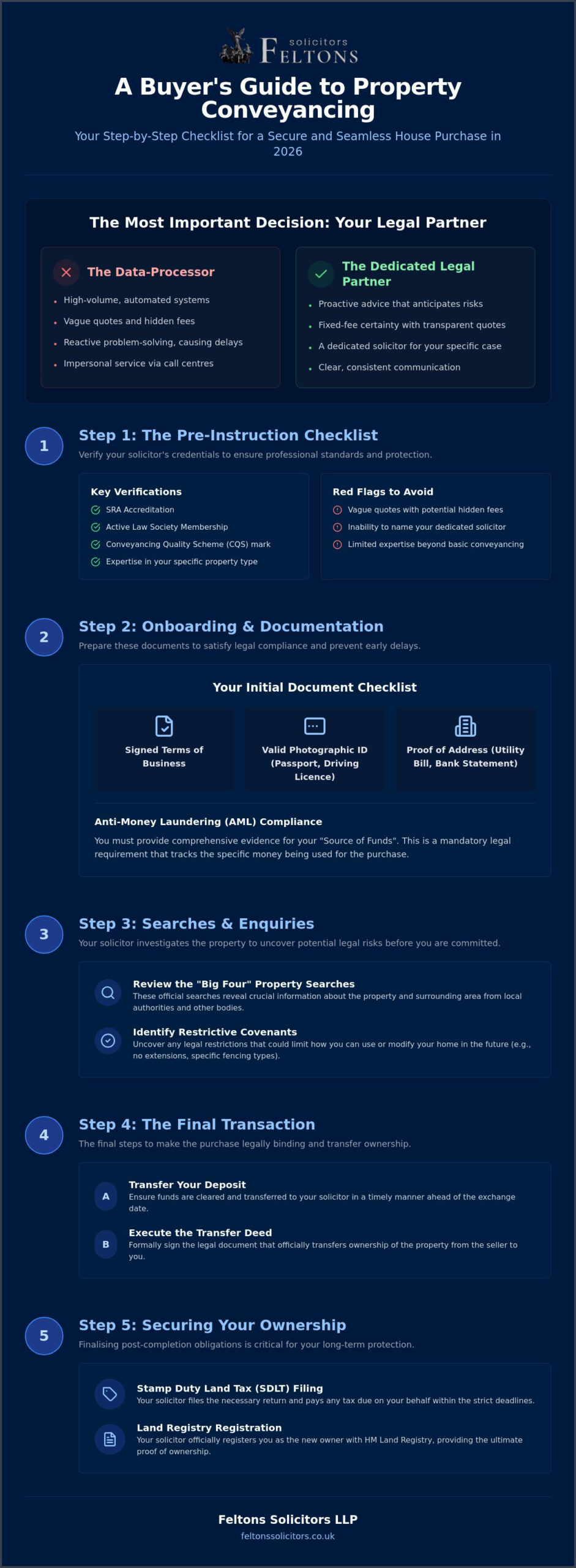

In the 2026 London property market, a standard administrative approach to legal work is no longer enough to guarantee a successful completion. Finding the right conveyancing solicitors london requires looking beyond high-volume firms that often struggle with the intricacies of modern leasehold reform. You likely feel the pressure of shifting completion timelines and the frustration of waiting days for a simple update from a case handler you’ve never met. It’s a significant investment; the lack of transparency in the legal process can make an already complex transaction feel overwhelming.
This guide provides a sophisticated roadmap for navigating these complexities, offering the boutique care and direct solicitor access required for a smooth, stress-free move. We will explore the latest 2026 Stamp Duty rates, the impact of the draft Commonhold and Leasehold Reform Bill, and how pragmatic legal advice can prevent unnecessary delays. Whether you’re navigating a high-value freehold or a complex leasehold extension, our focus remains on providing the quiet confidence and expert guidance you need to secure your property with total peace of mind.
Key Takeaways
- Understand the vital role of a solicitor in identifying title defects that could otherwise devalue your property investment.
- Learn how tailored due diligence protects you from future liabilities amongst varying residential and commercial property types.
- Discover why choosing boutique conveyancing solicitors london avoids the pitfalls of high-volume firms by prioritising direct access to experienced legal partners.
- Gain insight into specialist areas such as leasehold enfranchisement and the mandatory Registration of Overseas Entities for international owners.
- Explore how a pragmatic, people-first philosophy helps you manage complex legal structures whilst avoiding unnecessary delays.
Navigating the 2026 Property Market: What to Expect from Conveyancing Solicitors in London
The London property market in 2026 is defined by a paradox: while technology has accelerated the initial stages of a sale, the legal complexities involved in securing a valid title have never been more demanding. Many prospective buyers ask What is conveyancing? at the start of their journey. In essence, it is the legal transfer of property title from one party to another. However, for conveyancing solicitors london, the process is far more than a simple administrative handover. It is a rigorous investigation into the legal integrity of a property to ensure your investment is protected.
A solicitor’s primary duty is to identify “title defects” that could significantly devalue a property or restrict its future use. These might include unresolved planning breaches, restrictive covenants, or complex rights of way. Whilst high-volume firms might overlook these nuances in a rush to meet quotas, a boutique firm prioritises a people-first approach. This ensures that every potential liability is scrutinised before you are legally committed. In 2026, completion timelines have remained sensitive to broader economic shifts, even with the stability suggested by Prime Minister Andy Burnham’s current property tax policies, making early and thorough legal oversight essential.
The Legal Framework of a Property Transaction
Accurate title registration with the Land Registry forms the bedrock of English property law. This state-backed register provides a definitive record of ownership, but it relies on the precision of the data submitted by your legal team during the application process. The transaction reaches its pivotal moment at the “Exchange of Contracts.” This is the point of legal commitment where the buyer and seller are bound to the deal; pulling out after this stage incurs significant financial penalties. Modern transactions also require meticulous Stamp Duty Land Tax (SDLT) compliance. With rates remaining consistent since the April 2025 adjustments, your solicitor must ensure that all tax obligations are calculated correctly to avoid future penalties from HMRC.
Why 2026 Demands Proactive Legal Oversight
The shift towards digital-first conveyancing has improved data sharing, yet it often removes the human element from the equation. At Feltons, we balance modern delivery with personal service. Complex chain-linked transactions, which are common amongst London properties, require sound judgment and constant communication to reach a successful conclusion. Pragmatic advice is the most effective tool for avoiding the common pitfalls that stall property sales. By anticipating delays and managing expectations, conveyancing solicitors london can navigate the intricacies of the 2026 market with steady, professional authority.
Residential and Commercial Conveyancing: Managing Legal Risks and Timelines
While residential transactions focus on securing a personal home, commercial acquisitions involve complex layers of business risk and long-term liability. Expert conveyancing solicitors london must navigate these differences with precision. For a seller, understanding the seller’s legal process is essential for a smooth handover. For a buyer, thorough due diligence is the only way to ensure that a property doesn’t come with hidden financial burdens. This scrutiny protects you from future liabilities amongst varying property types, whether you’re purchasing a South London flat or a commercial retail unit.
A typical transaction follows a structured path. It begins with the initial instruction and identity checks, moving through the drafting of contracts and the review of search results. Once the mortgage offer is secured and enquiries are satisfied, the exchange of contracts takes place. Momentum is maintained through clear communication between solicitors, lenders, and estate agents. This avoids the “black hole” of silence that often plagues high-volume firms. If you value this level of direct, personal communication, you might consider how our team can support your next move with tailored legal care.
Residential Property Law for Homeowners
Buying a home in 2026 requires a clear understanding of your tenure. Freehold ownership is generally straightforward, but leasehold properties involve ongoing relationships with freeholders and management companies. With the draft Commonhold and Leasehold Reform Bill progressing, professional advice is vital to understand how these changes affect your specific lease. Our residential property law firm guide details these nuances further. Essential searches for any purchase include:
- Local authority enquiries to check for planning restrictions or nearby developments.
- Water and drainage searches to confirm utility connections and public sewer layouts.
- Environmental reports to identify potential land contamination or flood risks.
Commercial Property: Buying vs Leasing
Commercial transactions demand a different legal mindset. Developers and business owners must scrutinise “Heads of Terms” before they are formalised into a contract. These documents outline the core agreement but often lack the legal protections required in the final deed. Lease renewals also require careful timing to protect statutory rights of occupation under the Landlord and Tenant Act. Experienced conveyancing solicitors london ensure that your commercial interests are prioritised during these negotiations. Should disputes arise, Feltons provides the expertise in litigation and dispute resolution necessary to protect your investment and maintain your business continuity.
Boutique Legal Support vs. High-Volume Conveyancing: Why Personalised Service Matters
The choice of legal representation often boils down to a fundamental question of value versus price. In a market saturated with “quick quotes” and automated portals, the risk of falling into a “conveyancing factory” is real. These high-volume, low-fee models rely on processing hundreds of files simultaneously, often delegating critical tasks to junior staff or clerical teams. This approach frequently leads to the very delays and communication breakdowns that property buyers dread most. Referring to the UK government’s guide to conveyancing highlights the procedural necessity of the work, but it cannot account for the quality of the legal relationship.
Choosing boutique conveyancing solicitors london ensures that your transaction is handled with the bespoke care it deserves. At Feltons Solicitors LLP, we maintain a status as a discreet partner for high-net-worth and private clients who require more than just administrative processing. We believe that traditional professional integrity should remain at the heart of every deal. In a world increasingly dominated by automated chatbots and offshore call centres, the value of direct access to an experienced solicitor cannot be overstated. It is the difference between being a file number and being a valued client.
The Risk of Being “Just a Number”
When a firm is overstretched, the human impact of a property transaction is often forgotten. High-volume firms are prone to clerical errors and missed deadlines because their case handlers are managing impossible workloads. A dedicated solicitor can spot potential issues much earlier. This proactive oversight doesn’t just save time; it can save thousands of pounds in aborted costs if a deal is fundamentally flawed. During the high-pressure atmosphere of completion week, having a calm advisor who provides empathetic reassurance is invaluable. You deserve a partner who answers the phone.
Sound Judgment and Individualised Attention
Every property transaction is unique. Whether you’re a first-time buyer or an experienced developer, your legal strategy should be tailored to your specific goals. Feltons provides a steady, calm presence that guides you through even the most complex litigation or disputes. Our individualised attention means we understand the nuances of your situation, allowing us to offer pragmatic advice that avoids common pitfalls. For sensitive or high-value matters, this level of discreet legal support is a necessity for protecting your privacy and your assets. We prioritise your peace of mind amongst the noise of the London market.

Specialist Expertise: Leasehold Extensions and Overseas Entity Registrations
London’s property landscape is uniquely global. This international character demands a level of legal proficiency that extends far beyond the standard exchange of contracts, which is why instructing experienced conveyancing solicitors london is a strategic necessity for international buyers. For many owners, the long-term security of their investment relies on niche areas of property law that standard high-volume firms often overlook. At Feltons, we provide the specialist expertise required to manage these complexities, positioning ourselves as a discreet partner for clients with sophisticated portfolios.
Leasehold Enfranchisement and Extensions
Maintaining the length of a lease is vital for preserving a property’s market value. As a lease shortens, the cost of extending it increases, and the property becomes harder to mortgage. This is why proactive action is essential. Our leasehold enfranchisement experts provide clear, step-by-step guidance on how to secure your property rights. Beyond individual extensions, we also assist flat owners with collective enfranchisement. This process allows a group of leaseholders to buy the freehold of their building together, giving them total control over management and service charges. Acting early avoids the complications of “marriage value” and ensures your asset remains attractive to future buyers.
Registration of Overseas Entities for UK Property
The legal environment for international investors has shifted significantly with the introduction of the Register of Overseas Entities (ROE) at Companies House. Any overseas entity that owns or intends to buy UK property must now be registered. Non-compliance isn’t merely an administrative oversight; it can lead to severe criminal penalties and prevent you from selling or charging the property in the future. The requirement for transparency is absolute, and the legal consequences of failing to update the register annually are significant.
A critical part of this process is the “verification service.” Beneficial owners must have their identity verified by a UK-regulated professional before registration can be completed. We manage this intersection of property law and international compliance with meticulous attention to detail. Our guide on overseas entity beneficial owner registration offers comprehensive compliance support for those navigating these requirements. Highly specialised conveyancing solicitors london are essential when your transaction involves these international or long-term leasehold elements. We act as your sophisticated guide, ensuring that every regulatory hurdle is cleared with quiet confidence. If you require assistance with a complex registration or a lease extension, contact Feltons Solicitors LLP today for expert guidance.
The Feltons Approach: Pragmatic Advice for a Smooth Completion
The final stage of any property transaction is where the strength of your legal partner is truly tested. A successful completion isn’t merely the result of administrative processing; it’s the outcome of meticulous preparation and sound judgment. As conveyancing solicitors london, we recognise that our role is to act as a steady, calm presence amidst the inevitable pressures of a move. Our philosophy at Feltons Solicitors LLP is built on the belief that modern efficiency doesn’t have to come at the expense of traditional professional values. We combine the latest digital delivery methods with the discreet, high-standard service that our clients expect.
Even amongst the most complex litigation or disputes, our “sophisticated guide” persona helps you navigate the legal landscape with quiet confidence. We prioritise personal rapport and direct communication, ensuring you’re never left waiting for an update during a critical phase. This people-first approach means we understand the human impact of the work we do. Whether you’re moving into a new family home or expanding a commercial portfolio, our goal is to provide pragmatic advice that keeps your transaction moving forward without unnecessary delays.
A Trusted Advisor for Every Step
Property transactions often coincide with other significant life events that require expert legal oversight. Our firm provides a holistic service that extends beyond the immediate sale or purchase. We frequently assist clients with related matters such as estate planning and the drafting of wills to ensure their new assets are fully protected. Similarly, our broad expertise in divorce and financial arrangements allows us to manage property transfers with the sensitivity and discretion they require. Established in 2010 by Paula Felton, our firm offers a mark of stability and heritage that provides our clients with total peace of mind.
Next Steps: Securing Your Property Transaction
Instructing your solicitor early is the most effective way to protect your timeline. By engaging conveyancing solicitors london before an offer is even accepted, you allow us to begin the necessary due diligence immediately. This proactive approach reduces the risk of the transaction stalling during the critical early stages. To expedite the “Know Your Customer” (KYC) and anti-money laundering checks required in 2026, you should have the following documents ready:
- Valid photographic ID, such as a current passport or driving licence.
- Proof of address, typically a recent utility bill or bank statement.
- Evidence of the source of funds, including bank statements or gift letters where applicable.
Choosing Feltons Solicitors LLP means choosing a partner that values your time and your privacy. We provide the professional authority of a large firm with the empathetic care and individualised attention of a boutique practice. If you’re preparing for a property move in 2026, we invite you to organise a consultation with our team to discuss your specific requirements and secure a smooth, stress-free completion.
Securing Your Property Future with Expert Legal Guidance
The 2026 property market presents unique challenges that require a shift from standard administrative processing to a more tailored legal strategy. We’ve explored how direct access to experienced solicitors protects you from the pitfalls of high-volume firms, particularly when navigating the shifting landscape of leasehold reform and the mandatory Registration of Overseas Entities. Whether you’re managing a residential purchase or a complex commercial acquisition, the value of a discreet partner who prioritises your privacy and peace of mind is paramount.
Choosing the right conveyancing solicitors london ensures that your transaction is handled with high-end reliability and the pragmatic advice needed for a successful completion. At Feltons Solicitors LLP, we combine our expertise in complex property law with a boutique approach that puts your needs first. Our focus remains on delivering a smooth, stress-free experience through every stage of the legal process.
If you’re ready to move forward with quiet confidence, we invite you to instruct Feltons Solicitors for your property transaction today. Your journey toward a successful completion starts with the right legal support.
Frequently Asked Questions
How much are conveyancing fees for a London property in 2026?
Conveyancing fees in London are determined by the specific complexity of your transaction and the value of the property involved. Whilst industry averages provide a baseline, a bespoke quote from conveyancing solicitors london will account for variables such as leasehold requirements or shared ownership supplements. It’s essential to ensure your quote is transparent and includes all necessary disbursements to avoid unexpected costs during the final stages of your move.
How long does the conveyancing process typically take from offer to completion?
A typical property transaction in 2026 takes between 8 and 12 weeks to reach completion from the point an offer is accepted. This timeline is heavily influenced by the length of the property chain and the speed at which local authority searches are returned. Instructing a proactive legal team early helps maintain momentum and ensures that any potential title defects are identified and resolved before they cause significant delays.
What is the difference between a conveyancer and a solicitor?
The primary difference lies in the breadth of legal training and the scope of services provided. A solicitor is a fully qualified lawyer who can handle a wide range of legal issues, including complex litigation and estate planning, whereas a licensed conveyancer is a specialist in property law only. Choosing a solicitor provides the added security of comprehensive legal oversight should your transaction involve unexpected disputes or related family law matters.
Do I need a specialist solicitor for a leasehold property extension?
Specialist legal guidance is highly recommended for leasehold extensions because the process involves strict statutory deadlines and complex valuation calculations. Handling an extension incorrectly can lead to the loss of your right to extend or significantly higher costs. Experienced conveyancing solicitors london understand the nuances of the 2024 Reform Act and the draft 2026 Bill, ensuring your property’s long-term value is protected through precise legal execution.
What happens if a property dispute arises during the conveyancing process?
If a dispute arises, your solicitor will first attempt to find a pragmatic resolution through negotiation to keep the transaction on track. Should the matter escalate, a firm with expertise in litigation can provide the formal representation needed to protect your interests. Having a steady, professional advisor ensures that issues regarding boundary lines or restrictive covenants are handled with the necessary authority to reach a successful conclusion.
Can Feltons Solicitors help with the registration of an overseas entity?
Feltons Solicitors LLP provides a dedicated verification and registration service for the Register of Overseas Entities at Companies House. This is a critical requirement for any international entity owning or purchasing UK property to avoid severe criminal penalties. We act as a sophisticated guide for international clients, ensuring all beneficial owner information is verified and submitted in full compliance with current UK transparency laws.
What are the most common reasons for property completions to be delayed?
Completions are most frequently delayed by slow communication within a property chain or complications with mortgage offers. Technical issues, such as unresolved enquiries regarding leasehold management packs or slow local search turnarounds, also play a significant role. Choosing a boutique firm that prioritises direct solicitor access can mitigate these risks, as potential hurdles are identified and addressed much earlier in the legal process than in high-volume models.
Is it possible to complete a property transaction entirely remotely in 2026?
Property transactions in 2026 can be conducted almost entirely remotely through secure digital portals and electronic signature technology. This modern delivery allows for efficient document sharing and identity verification regardless of your physical location. Whilst most of the process is digital, some high-value transactions or specific lender requirements may still necessitate the physical posting of certain original deeds or a face-to-face verification meeting to ensure total security.